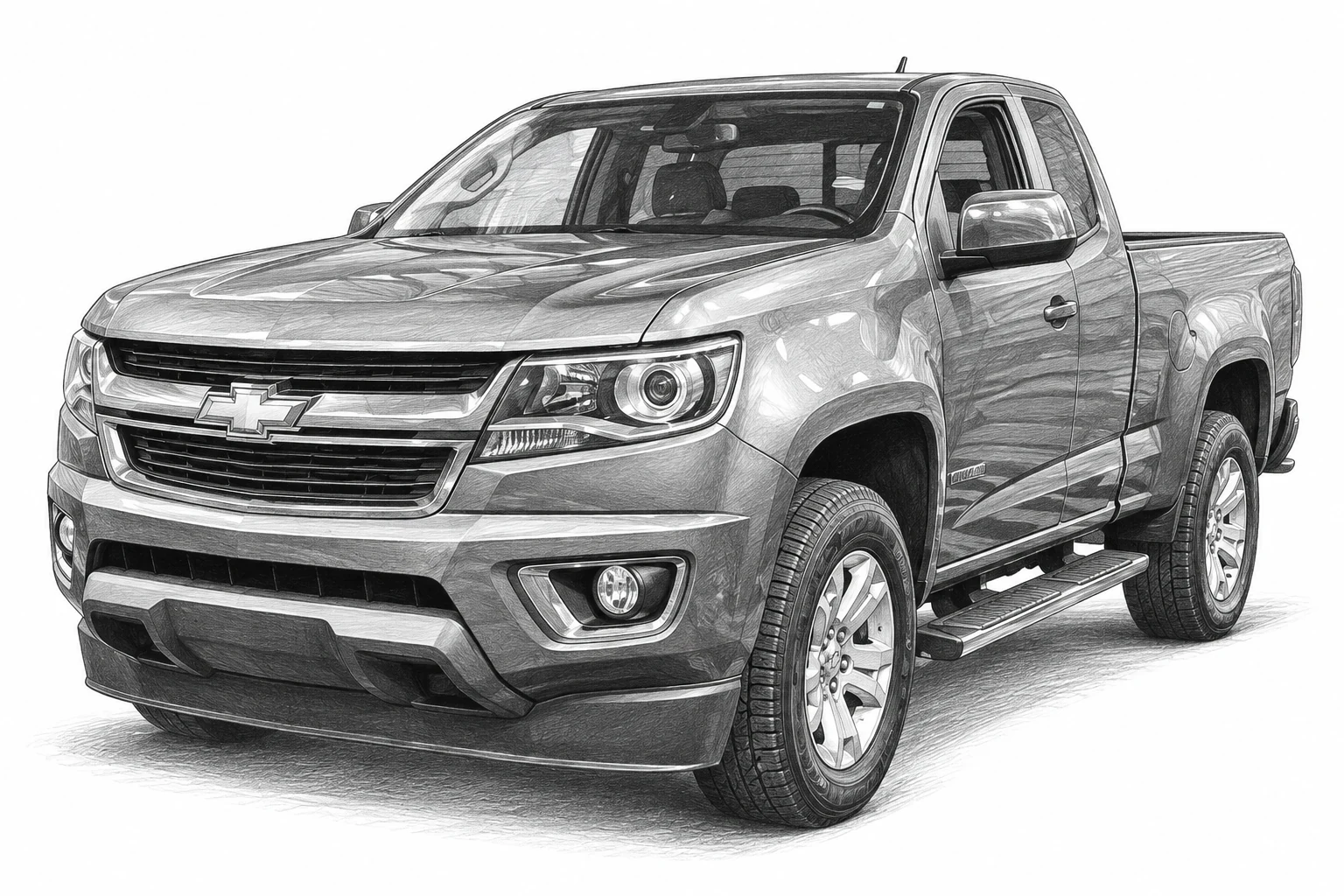
FIG. 2015.1 Trailering Guide Guide rating notes
Note 1 Before you buy a vehicle or use it for trailering, carefully review the Trailering section of the Owner's Manual. The weight of passengers, cargo and options or accessories may reduce the amount you can tow.
2015 Chevrolet Trailering Guide, p.2 FIG. 2015.2 Trailering Guide Trailer brake requirements
TRAILER BRAKES These are required above a 2,000-lb. trailer weight on Silverado, Tahoe and Suburban, and above a 1,000-lb. trailer weight on all other models. The most common trailer braking systems are surge brakes (found primarily on boat trailers) and electric brakes (often used on travel trailers, horse trailers and car haulers). Surge brakes are a self-contained hydraulic brake system on the trailer, activated during deceleration as the trailer coupler pushes on the hitch ball. An electric trailer brake system uses a brake control unit mounted inside the trailering vehicle; it operates by sensing the vehicle brakes and then applying the trailer brakes.
2015 Chevrolet Trailering Guide, p.3 FIG. 2015.3 Trailering Guide Maximum-rating scope
TRAILER WEIGHT RATINGS AND GROSS COMBINATION WEIGHT RATINGS Chevrolet engineers perform extensive testing of acceleration, handling, braking, and thermal and structural performance to determine the Gross Combination Weight Rating (GCWR) and the trailer weight rating for your vehicle. The GCWR is the total allowable weight of the completely loaded vehicle and trailer including any passengers, cargo, equipment and conversions. You should not exceed the GCWR of your vehicle when you tow a trailer. Chevrolet also calculates and publishes a trailer weight rating for each model or series of Chevrolet vehicles for comparison purposes. The trailer weight rating is not specific to an individual vehicle and is most useful for comparing product lines to one another to help you select a product that will meet your needs. When you buy a vehicle, you should ensure that the total load (including passengers, cargo and equipment) you intend to pull with it will be less than the trailer weight rating of the vehicle.
Because the trailer weight rating is calculated for a line of vehicles, rather than an individual load situation, some standardized assumptions are made when calculating the trailer weight rating. First, the base curb weight of that type of vehicle is used (the weight of a standard equipped vehicle without any options). Second, it is assumed that there is only one person in the vehicle (the driver) who weighs 150 lbs. Third, it is assumed there is a certain tongue weight for the load (a tongue weight is the weight of only the tongue of the loaded trailer). For conventional trailering, a tongue weight that is 10% of the loaded trailer weight is used. For fifth-wheel/gooseneck trailering, a tongue weight that is 16.7% of the loaded trailer weight is used.
2015 Chevrolet Trailering Guide, p.5 FIG. 2015.4 Trailering Guide Weight-rating checks
HOW TO KEEP YOUR LOAD WITHIN THE CAPABILITIES OF YOUR VEHICLE To be sure that your trailering combination is appropriate for your vehicle, you must first obtain the weight of your specific vehicle, with all the optional equipment you ordered. You can take your vehicle to a weigh station to get this figure, or you can see your dealer who can help you calculate this figure based on the weight of the options you ordered. You can then subtract the weight of your vehicle from the GCWR. The difference between the two is the capacity you have available for your cargo, passengers, trailer, load and any other equipment you might use to set up your trailer. Put another way, your GCWR should always be greater than or equal to the weight of your vehicle, passengers, cargo, trailer (with equipment) and load. It is also important that your vehicle and your trailering combination do not exceed the tongue weight, Gross Vehicle Weight Rating (GVWR) or Rear Gross Axle Weight Rating (RGAWR) limitations for your vehicle. The only way to be sure to not exceed any of these ratings is to weigh the tow vehicle and trailer combination, fully loaded for the trip, getting individual weights for each of these items. This can be done at a weigh station with a multi-platform scale.
2015 Chevrolet Trailering Guide, p.5 FIG. 2015.5 Trailering Guide Trailer load distribution
The tongue weight for your trailer is the downward force of the coupler of the trailer on the vehicle hitch. You can calculate the tongue weight by placing the tongue of the trailer on an appropriate scale. For conventional trailering, the tongue weight should be 10% to 15% of the loaded trailer weight. For fifth-wheel/gooseneck trailering, the tongue weight should be 15% to 25% of the loaded trailer weight.
2015 Chevrolet Trailering Guide, p.5 FIG. 2015.6 Trailering Guide GVWR guidance
The GVWR is the maximum amount the vehicle itself should weigh, including the as-equipped weight of the vehicle plus the cargo, passengers and trailer tongue weight. Put another way, the GVWR should always be greater than or equal to the weight of your vehicle, passengers, cargo and tongue weight. Finally, the RGAWR is the maximum allowable weight the rear axle can carry. You can weigh your fully loaded vehicle and trailer at a multi-platform weigh station to determine the weight on the rear axle of the vehicle and ensure that you do not exceed the RGAWR. You can find both the GVWR and the RGAWR on the Certification/Tire label, which is found on the rear edge of the driver door.
2015 Chevrolet Trailering Guide, p.5 FIG. 2015.7 Trailering Guide GCWR and combined weight
GCWR The Gross Combination Weight Rating is the total allowable weight of the completely loaded vehicle and trailer.
2015 Chevrolet Trailering Guide, p.4 FIG. 2015.8 Trailering Guide Safety chains
SAFETY CHAINS Always attach safety chains between your vehicle and your trailer and cross them under the tongue of the trailer so that the tongue will be less likely to drop if the trailer should separate from the hitch. Leave enough slack in the chains so you can corner without the chains impeding the movement of the trailer. Do not allow safety chains to drag on the ground.
2015 Chevrolet Trailering Guide, p.6 FIG. 2015.9 Trailering Guide Conventional trailer loading
LOADING YOUR TRAILER Load your trailer to attain a 10%–15% tongue weight. A good rule of thumb is to distribute 60% of the load over the front half of the trailer and evenly from side to side. Loads sitting either too far forward or too far back in the trailer can create unstable trailering conditions —such as trailer sway — at highway speeds and during heavy braking. Once the trailer has been loaded and the weight is distributed properly, all cargo should be secured to prevent the load from shifting.
2015 Chevrolet Trailering Guide, p.6